.png)
The Scalp-First Revolution: Why Your Hair Routine Is Backwards And How To Fix It
Think you’ve mastered your haircare routine? Pharmacist and brand founder Sikha Doorvashi Ramjutan reveals why the scalp deserves centre stage.
https://xgto0n9mfn.ufs.sh/f/OjaR0IRNELV9TTW4Fj5JUfsGqxVKjydzBlHakCiS8AIMNP9o
.webp)


When was the last time you thought about your scalp? Not your hair — your scalp. If you’re like most people, the answer is probably never, unless something’s actively wrong with it.
We’ve been taught to focus on our hair: the lengths, the ends, the shine, the volume. We buy products promising silkier strands and bouncier curls. But here’s what I learned during my years as a pharmacist, particularly while watching young women struggle with hair loss: our entire approach to haircare is backwards.
Here’s the fundamental truth: your hair is dead tissue. Once it emerges from the follicle, it has no blood supply and no ability to repair itself. Your scalp, however, is living, metabolically active tissue with approximately 100,000 hair follicles, oil glands, a complex microbiome, and an extensive network of blood vessels. Everything that determines the density, thickness, and growth rate of your hair happens before it even leaves your scalp.
If you’re experiencing hair thinning and your scalp is itchy, flaky, or irritated, these aren’t separate issues — they’re connected. Most people treat one while ignoring the other, which is why nothing seems to work. Scalp conditions are incredibly common: up to 50% of people experience dandruff at some point. Millions more deal with seborrheic dermatitis, scalp eczema, psoriasis, or scalp acne — and many of these same people are also experiencing unexplained hair thinning.
For women, hormones make us particularly vulnerable. Estrogen and progesterone fluctuations during the menstrual cycle, pregnancy, postpartum, and perimenopause affect oil production, inflammation, and the balance of bacteria and yeast on the scalp. This is why scalp issues often flare up at certain times — usually alongside increased hair shedding. But here’s the problem: we tend to ignore these conditions. Medicated shampoos can feel clinical or embarrassing to use, so we tolerate the itch and irritation. Meanwhile, we chase hair growth solutions — supplements, serums, treatments — without realising we’re trying to grow hair in an inflamed, unhealthy scalp, which is like trying to grow a garden in contaminated soil.
What’s really happening is that chronic scalp inflammation directly sabotages hair growth. When your scalp is inflamed from conditions like dandruff, eczema, or seborrheic dermatitis, it sends signals that shorten the hair’s growth phase, restrict blood flow to the follicles, and damage the cells that produce new strands. Studies published in the Journal of Investigative Dermatology show that people with hair loss have significantly higher inflammation levels in their scalp tissue. This inflammation isn’t a side effect — it’s often the main cause of thinning.
.png)
Why This Happens
Your scalp is home to bacteria and fungi that form a microbiome. When balanced, this ecosystem supports healthy hair growth. When disrupted, it creates inflammation that interferes with your hair cycle.
Malassezia is a yeast that naturally lives on everyone's scalp. When it overgrows, it breaks down your scalp's natural oils and produces oleic acid, which irritates the scalp and causes dandruff. Chronic stress makes everything worse by elevating cortisol, which triggers premature hair shedding and worsens inflammation. Research shows a direct link between stress, cortisol, and disrupted hair growth, creating a cycle where scalp problems and hair loss feed into each other.
The good news? Once you understand that scalp health is the foundation, the path forward becomes clear. So, below I’ve outlined a comprehensive, step-by-step guide to actually making your scalp healthy. But before we dive in, know this: hair growth takes time. You'll need to commit to this routine for at least 3-4 months to see meaningful results, as unlike quick fixes that don't address root causes, this approach creates lasting change.
.png)
Your Action Plan To Improve Scalp Health
1. Professional Assessment
Book an appointment with a dermatologist or trichologist to get a proper diagnosis of your scalp condition. Not all scalp issues are the same, and treatment needs to be targeted. If you’re experiencing significant hair loss, ask your GP for blood tests to check ferritin (iron stores), vitamin D, thyroid function, and hormone levels. Deficiencies in these areas directly impact hair growth and scalp health — no topical product can fully compensate for internal imbalances.
2. Medicated Treatments
If you have dandruff, seborrheic dermatitis, or fungal overgrowth, you need to control it before other treatments can work effectively. Start with a medicated shampoo containing ketoconazole (Nizoral), piroctone olamine, or zinc pyrithione. These antifungal ingredients control Malassezia overgrowth, reduce flaking, and calm inflammation.
Apply shampoo directly to your scalp (not the hair lengths, as it can be drying), leave for 2–3 minutes, then rinse thoroughly. Use 2–3 times a week until symptoms improve, then maintain once weekly. For severe psoriasis or eczema, work with your dermatologist on prescription treatments while supporting healing with gentle, anti-inflammatory products.
3. Hair Wash Routine
Washing your hair more frequently can actually benefit scalp health, especially if you’re prone to buildup or oiliness. Leaving sebum, dead skin cells, and product residue for days creates an environment where inflammation and microbial imbalance thrive.
For most people with scalp issues, washing every 2–3 days works best. Use a gentle shampoo as your regular cleanser, and rotate in your medicated shampoo as needed. Then be sure to exfoliate weekly with a mild scalp scrub before shampooing, or use a chemical exfoliant containing salicylic or lactic acid if you have an oilier or acne-prone scalp. This removes buildup and dead skin cells, creating a clean foundation for treatments to penetrate effectively. Although don’t over-exfoliate, as this can damage your scalp barrier.
4. Leave-In Treatments
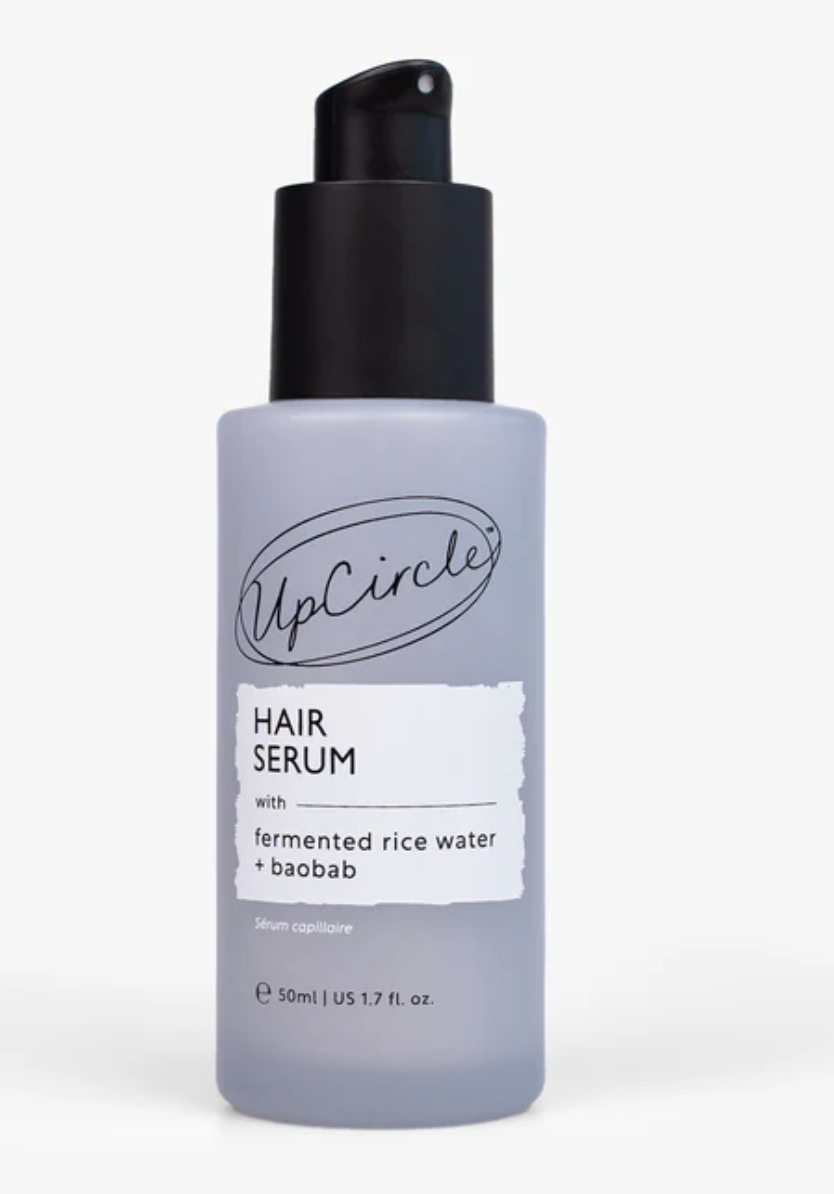
Once your scalp is clean and active conditions are managed, layer in growth-supporting treatments. On a clean, towel-dried scalp, apply a scalp serum with clinically-proven ingredients like probiotics, stem cells or peptides, caffeine, and anti-inflammatory ingredients like ashwagandha or aloe vera.
For scalp oiling, look for lightweight formulations that won’t exacerbate dandruff, ideally with circulation-boosting ingredients like rosemary extract, caffeine, and pumpkin seed oil.
5. Scalp Massage
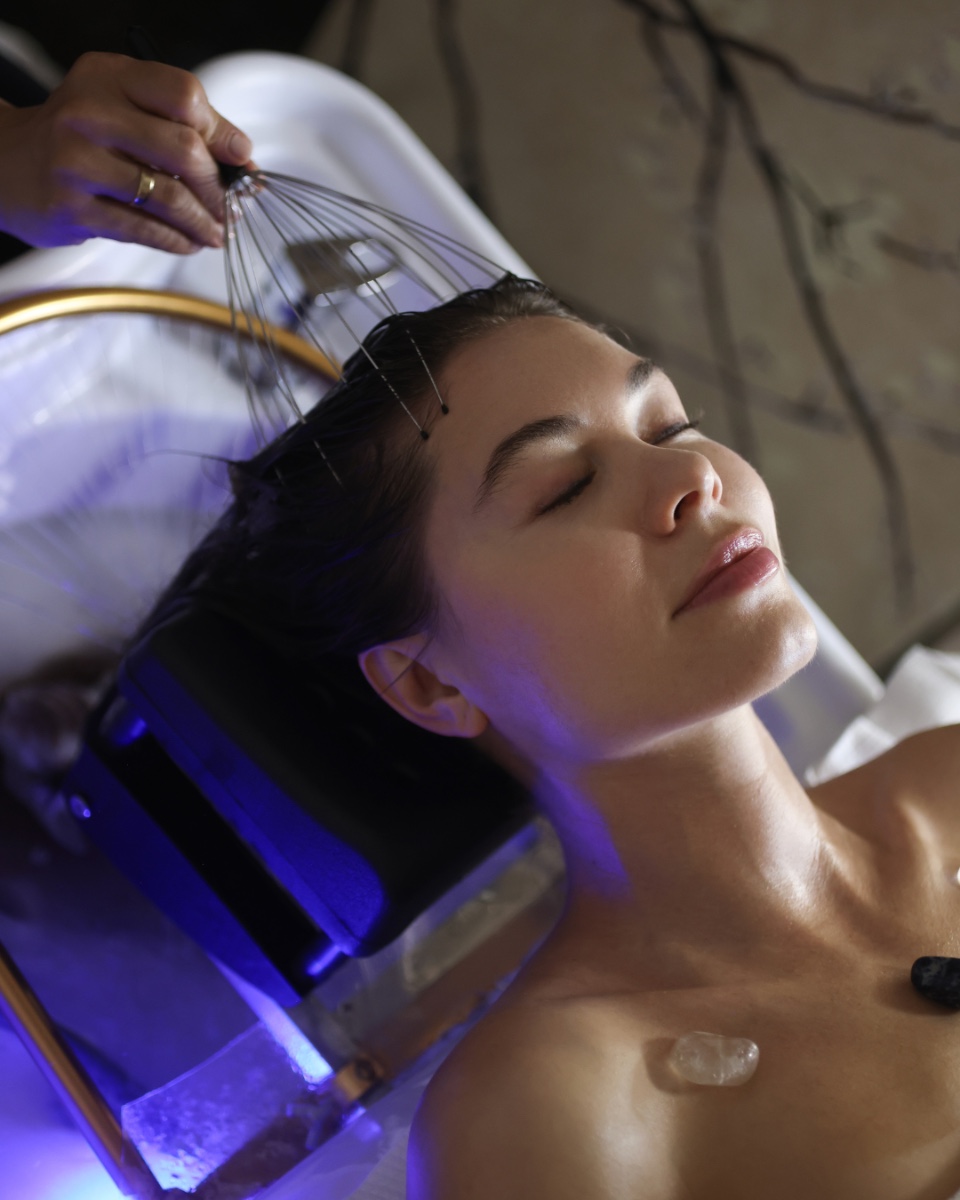
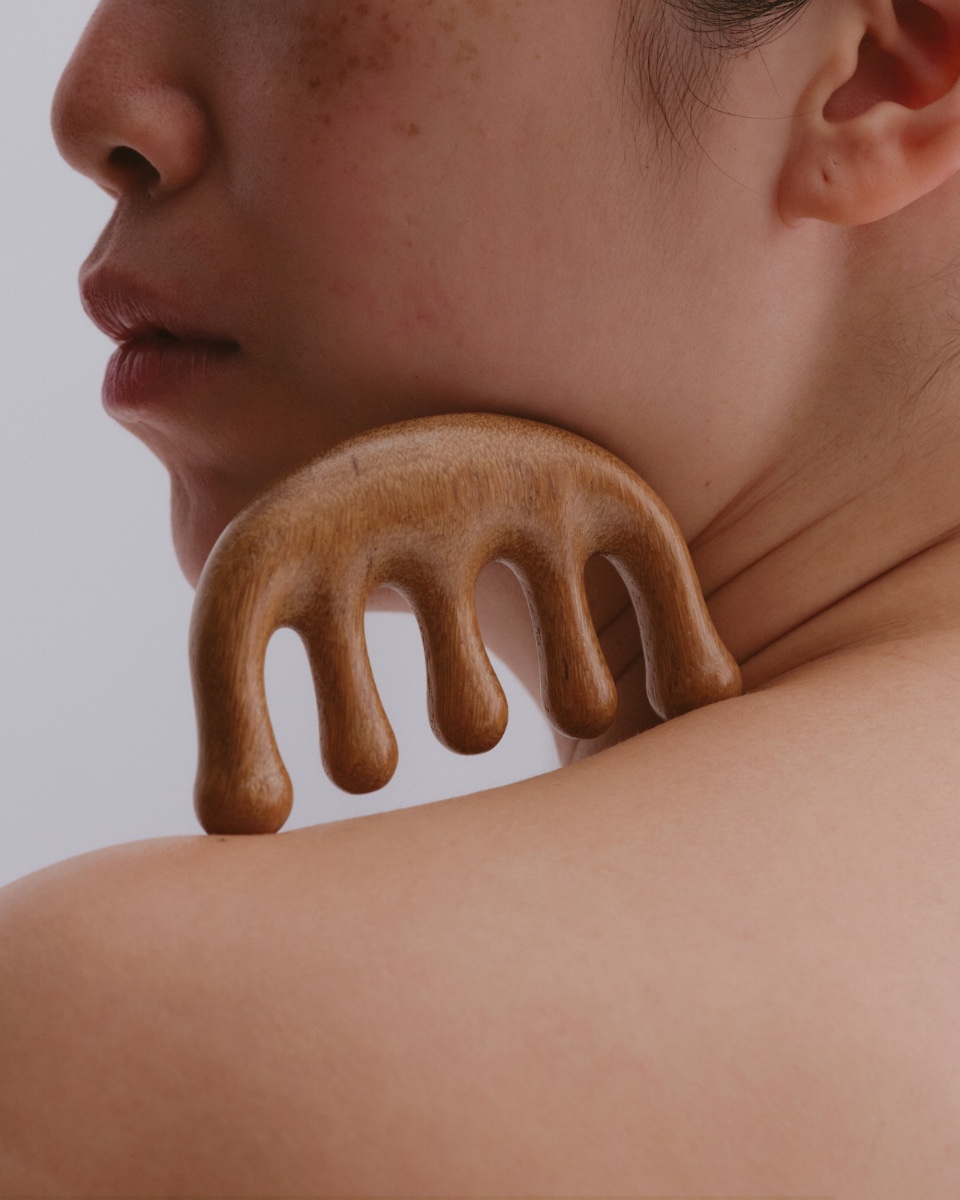
People often use all the right products but miss out on stimulating the scalp. This is an important part of hair growth as it increases blood flow to follicles and activates your relaxation response to reduce stress hormones. Consider using a scalp massager tool in the shower or a dermaroller (0.25 - 0.5mm) once weekly to enhance circulation and serum absorption.
6. Protecting your hair
Your daily habits matter. Avoid tight hairstyles — high ponytails, tight buns, or braids — that create tension on the scalp and can lead to traction alopecia. Sleep on a silk or satin pillowcase to reduce friction and breakage. Be gentle when brushing or towel-drying your hair. If you use heat styling tools, keep them on lower settings and avoid applying direct heat to your scalp.
7. Diet And Lifestyle
Support your body internally. If blood tests reveal deficiencies, supplement appropriately under medical guidance. Omega-3 fatty acids, zinc, and vitamin D support overall hair and scalp health, as well as staying hydrated by drinking adequate water daily.
The boring advice of managing stress —getting adequate sleep and regular exercise — may be tiring to hear, but it’s actually an important contributing factor to good hair health, and it directly impacts your hormones. Chronic stress raises cortisol levels, slowing down the hair growth cycle and pushing hair into the resting (shedding) phase.
8. Track Your Progress
Take photos of your scalp and hair from multiple angles at the start, then monthly. Changes happen gradually and are hard to notice day-to-day. Keep a simple journal noting what products you're using and any scalp changes. Give each product or routine at least 6-8 weeks before deciding if it's working. If you see no improvement after a few months of consistent effort, revisit your dermatologist or trichologist to reassess your approach.
The Bottom Line
Your scalp is living tissue that needs the same care and attention you give your face. Healthy hair growth doesn't start with what you put on your strands —It starts with creating an optimal scalp environment where hair can actually thrive. Address your scalp health first, and healthy hair growth will follow.